.svg)


At Snowflakes Day Nursery & Montessori the freedom for your child to explore at their own pace is held in high regard, we structure this freedom within a structure that ensures they're developing in line with UK guidelines.
This means your child spends their days discovering and developing on what interests them while ensuring they building the foundations they will need for school and beyond.
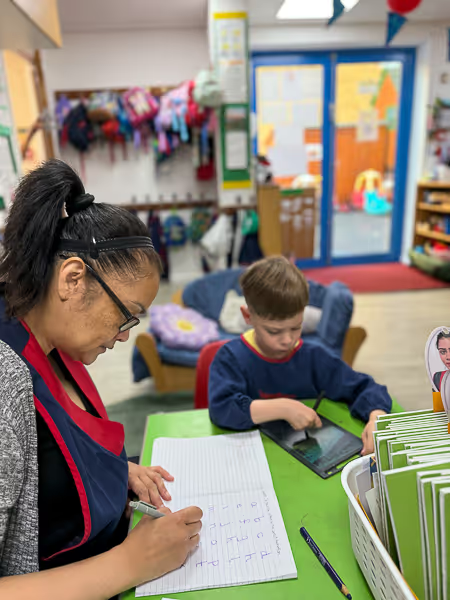
Our practice draws on Montessori principles to encourage children’s natural curiosity and identify individual interests, while remaining firmly grounded in the Early Years Foundation Stage framework, a balanced approach refined over 22 years.
The Early Years Foundation Stage statutory framework can be considered the end goal, and the Montessori approach is a checkpoint we add along the way.
By combining the Early Years Framework with a Montessori Approach, we solve the biggest challenge in early years education.
Development happens in tiny steps, not giant leaps. While standard approaches often wait for major milestones, we focus on tracking “micro-progress,” such as improvements in concentration or hand strength from week to week.
We notice and acknowledge every small improvement along the way and get to celebrate their wins with them.
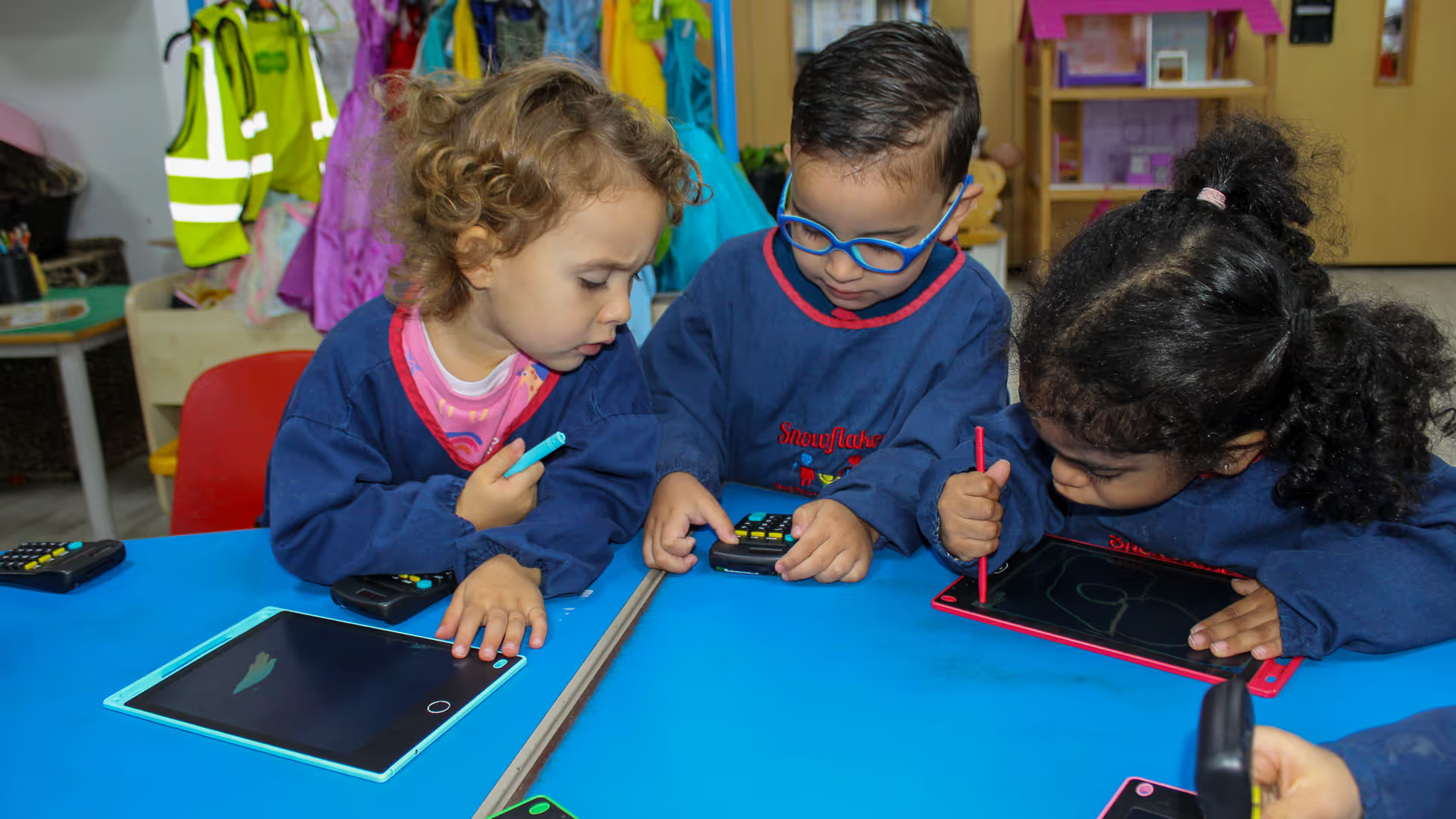
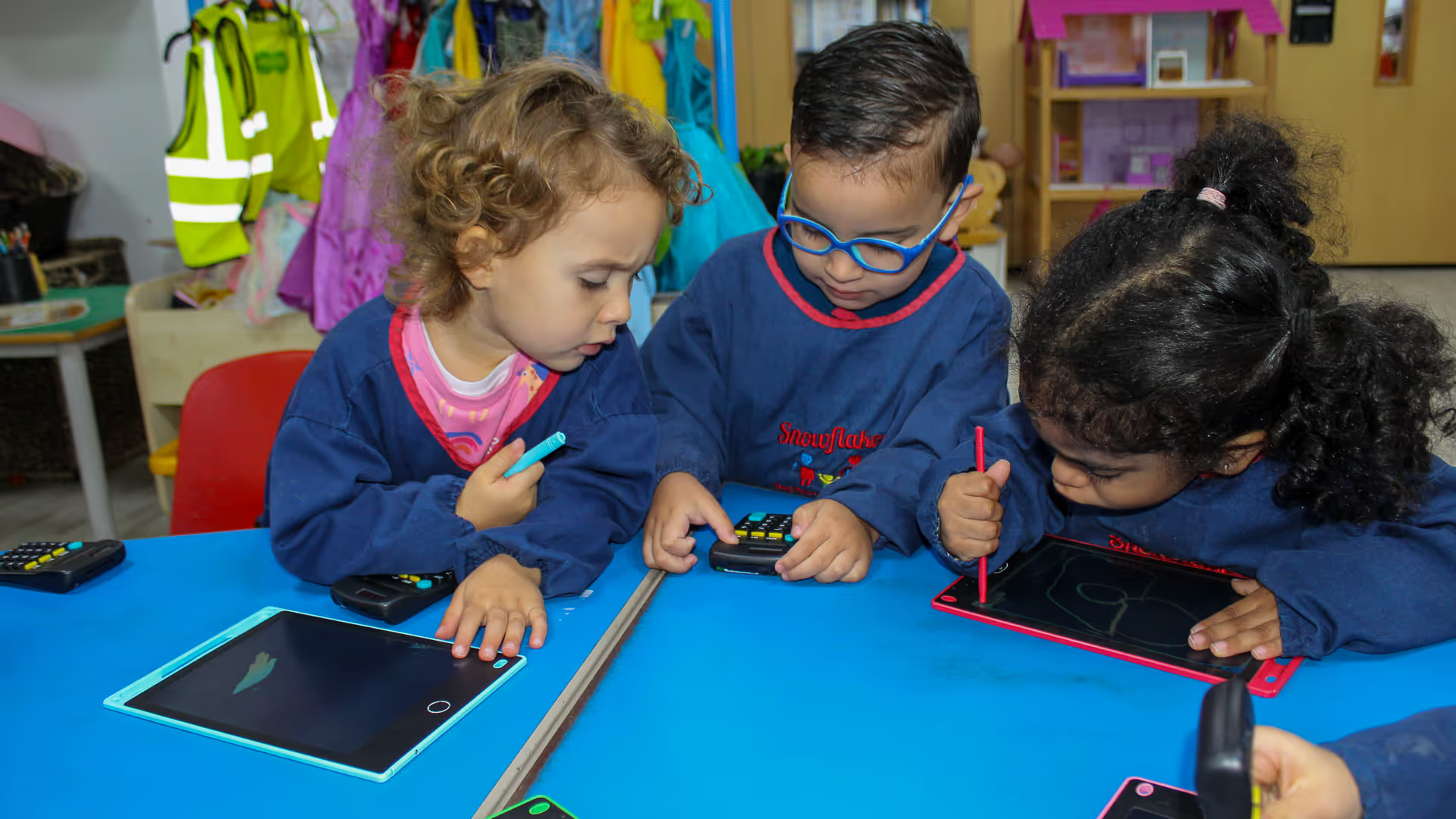
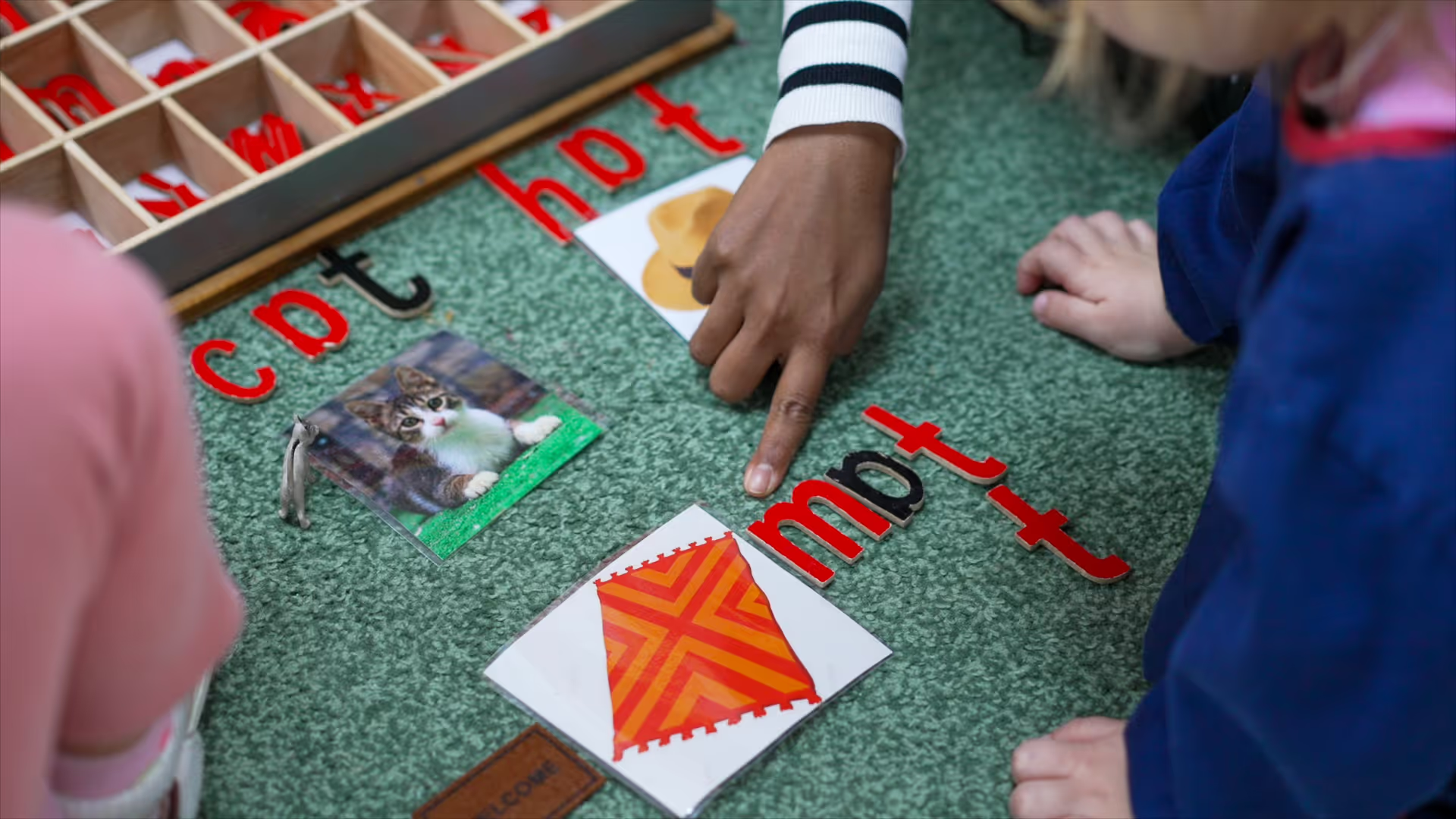
We believe wholeheartedly in the EYFS framework, but it can often be abstract (e.g., "understanding numbers"). Montessori materials promote tactile learning where children learn by touching, manipulating and physically interacting with materials to build concrete understanding,
Tactile or hands-on, learning is a core component of the Sensorial curriculum, designed to help children refine their sense of touch and by extension, their intelligence, concentration, and fine motor skills.
Montessori materials are "self-correcting," meaning the child can see if they’ve made a mistake without an adult fixing it. This frees our teachers to stand back and observe rather than interrupt.
The progress we base our development on removes guesswork and bias.
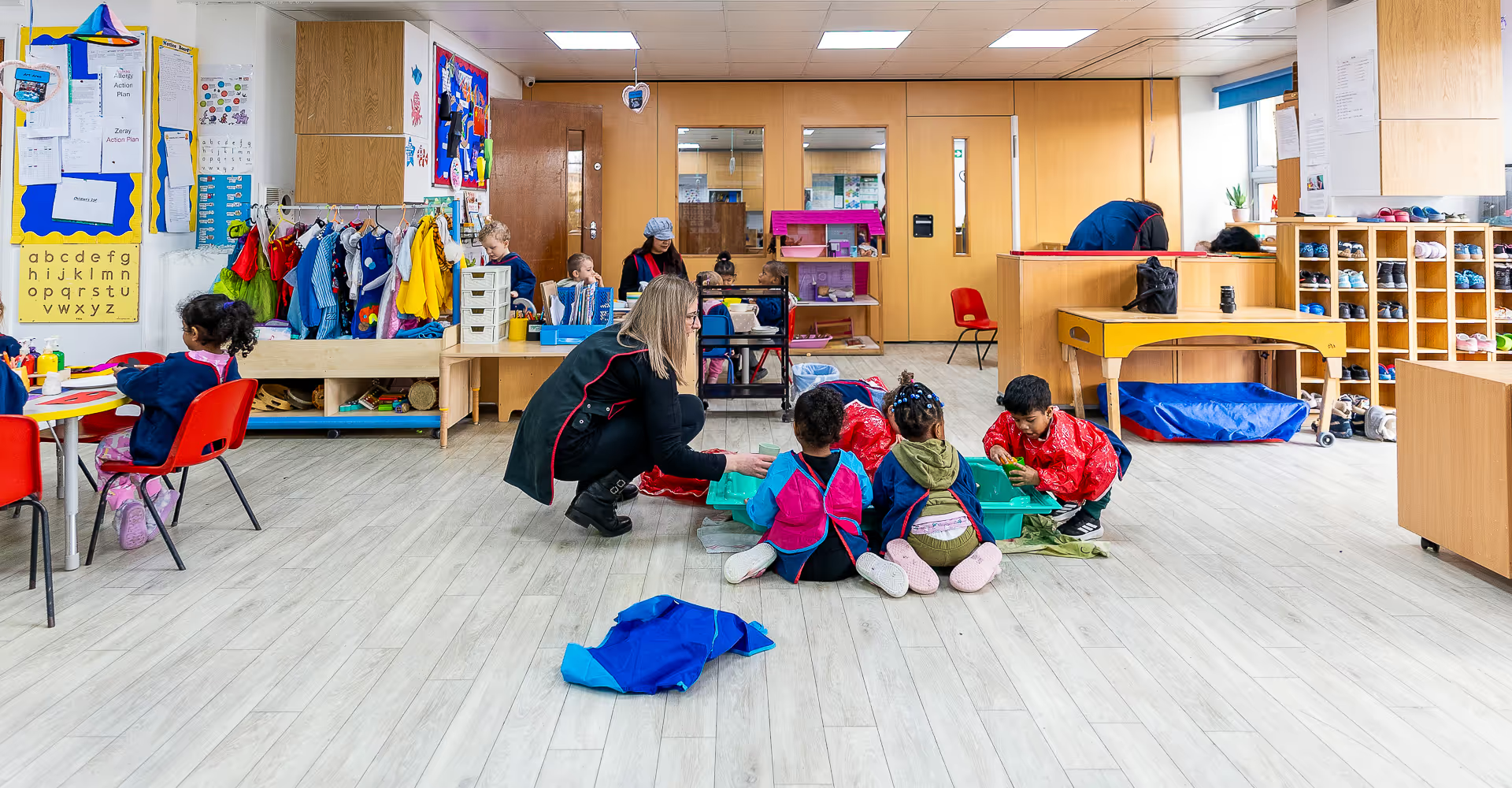
The Snowflakes Hybrid delivers structured learning through two systems: the Daily Work Cycle and staff weekly planning meetings.
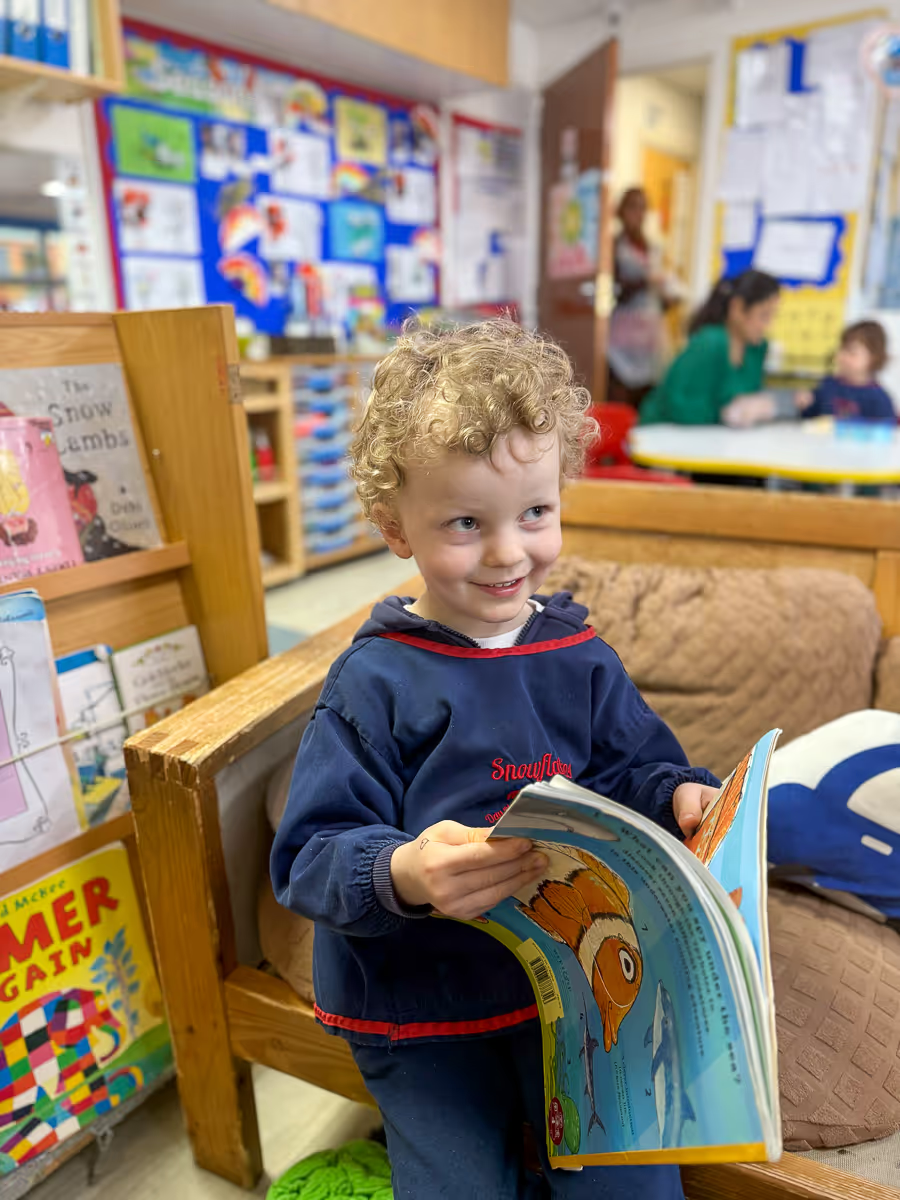
During the work cycle, children move freely between five stations book work, messy play, practical life, theme-based activities, and imaginative play. Each station contains Montessori-inspired materials designed for self-correction.
Children choose where to focus. Practitioners observe, document, and guide without directing.
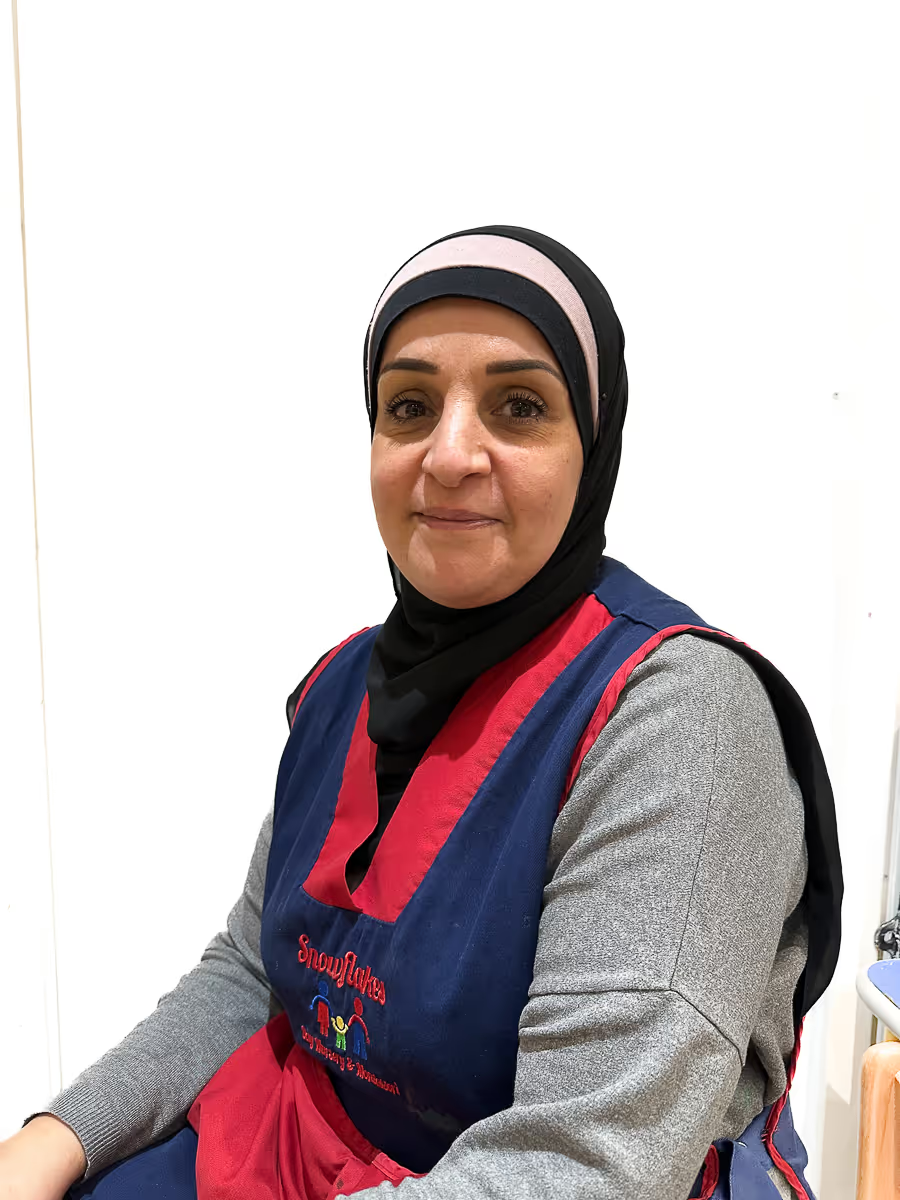
Every week, your child’s Key Person, the teacher closest to them, sits down with the wider team to discuss your child's specific needs.
They combine their intimate knowledge of your child's personality with the team's collective expertise to agree on specific "next steps." Instead of generic group lesson plans, they design activities tailored to that week’s interests and abilities.
This ensures the environment adapts to your child.The result is a child who look forward to progress and development.
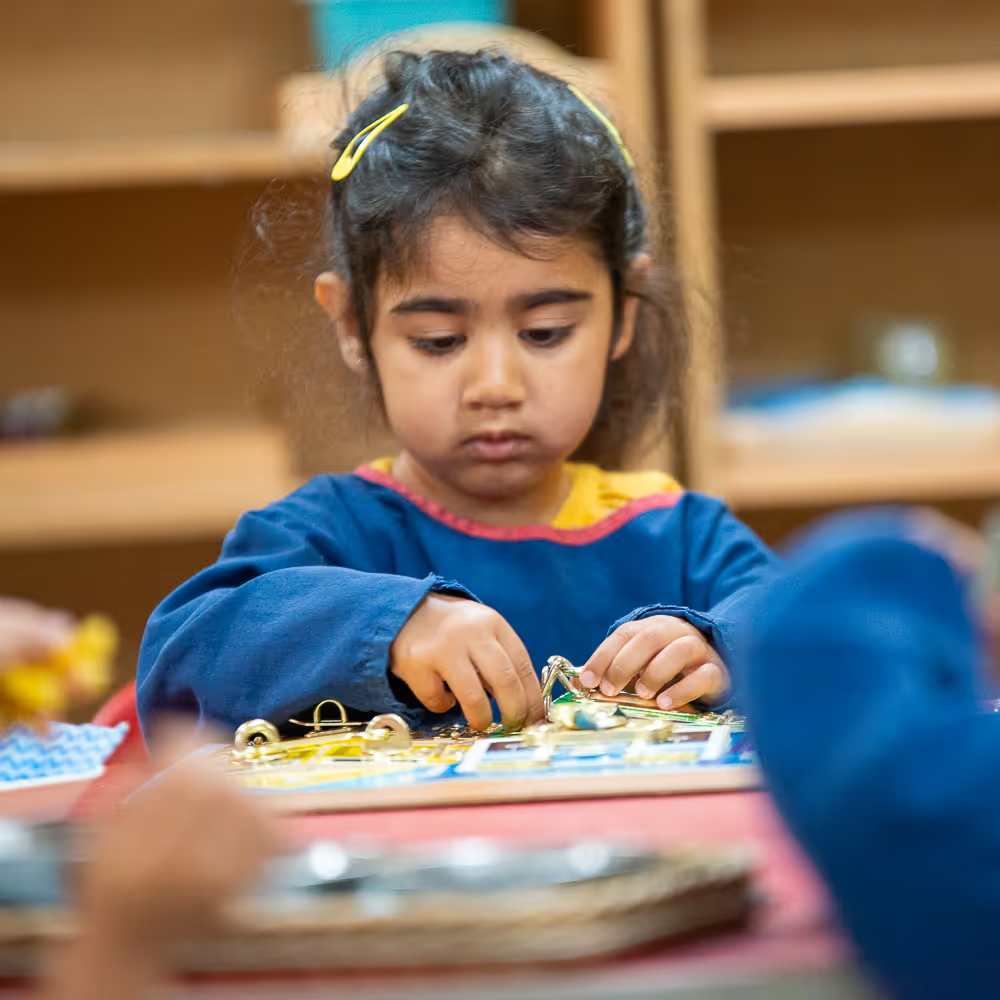
Snowball Effect describes how small, consistent wins rooted in children's own interests compound over time into lasting confidence and unstoppable momentum.
Belief in their abilities produces persistence. Persistence produces resiliance. Resilience reinforces their belief.
By the time your child leaves Snowflakes, "their snowball" has gathered considerable momentum. They can critically make decisions and have a sense of their own identity. That distinction shapes everything that follows.
Every child can have the opportunity to flourish. At Snowflakes, we believe this journey can start before they walk.
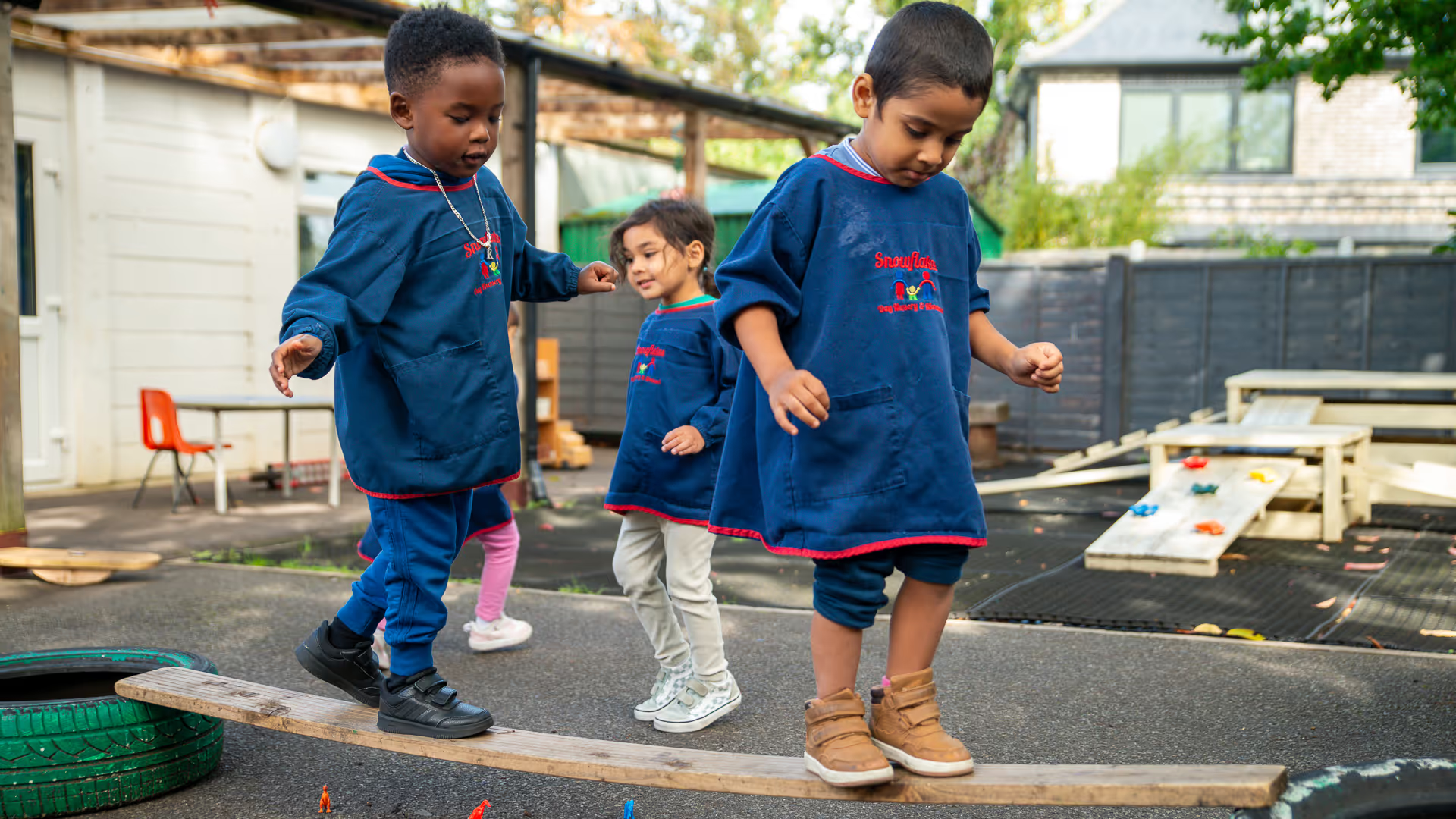
Children’s time at Snowflakes allows them to develop a broad range of knowledge and skills that provide a strong foundation for future progress through school.
This goes beyond just knowing their ABCs; it means building a child who is socially, practically, and emotionally resilient, ready for the next step.