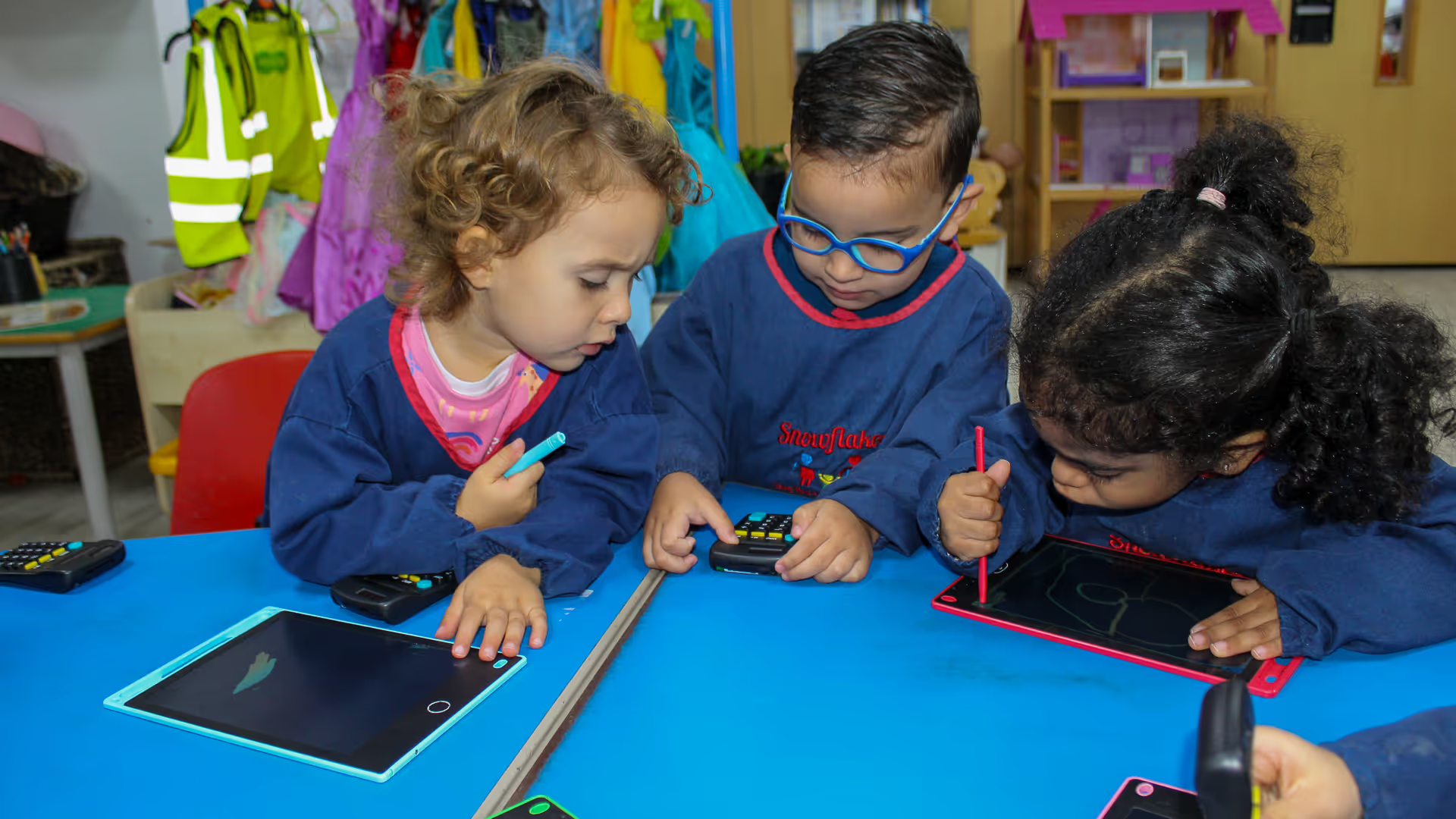
True school readiness encompasses more than academics; it addresses the full spectrum of a child’s development. Our framework is our own refinement of EYFS developmental goals and Montessori philosophy, focusing on four key dimensions:
- Academic Foundation
- Social Confidence
- Emotional Resilience
- Practical Independance
We also incorporate physical and health aspects, such as motor skill activities and healthy routines, to support overall well-being.
This balanced approach ensures children thrive in Reception environments, as evidenced by feedback from local primary schools in Southall and Northolt.
Academic Foundation
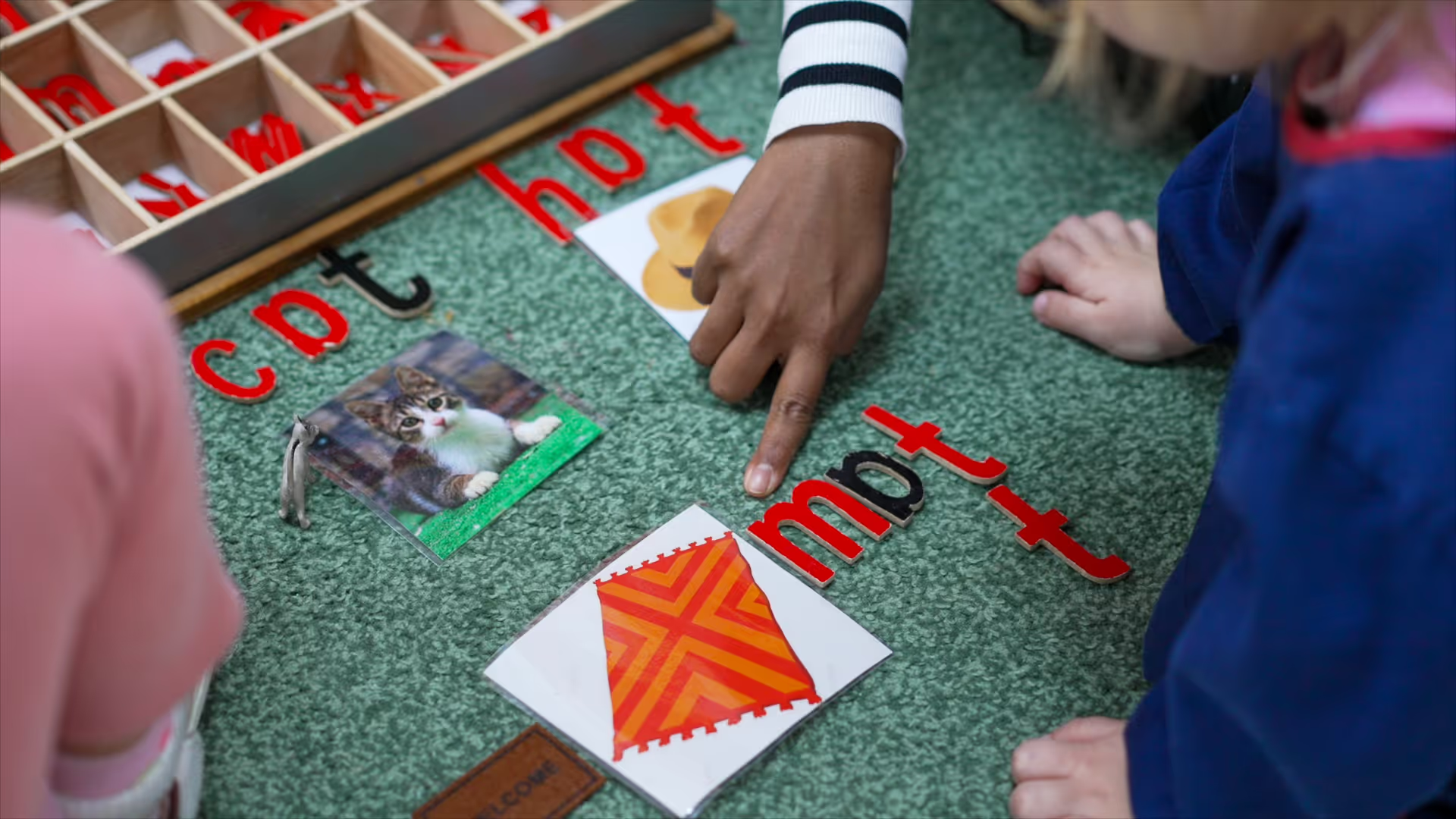
Our curriculum builds core skills in phonics, numeracy, and early writing. Children master sound-symbol relationships, blend words, and develop proper pencil grip through hands-on Montessori materials.
These activities lay a strong base, but we recognise that academic success depends on complementary social and emotional growth.
Social Confidence
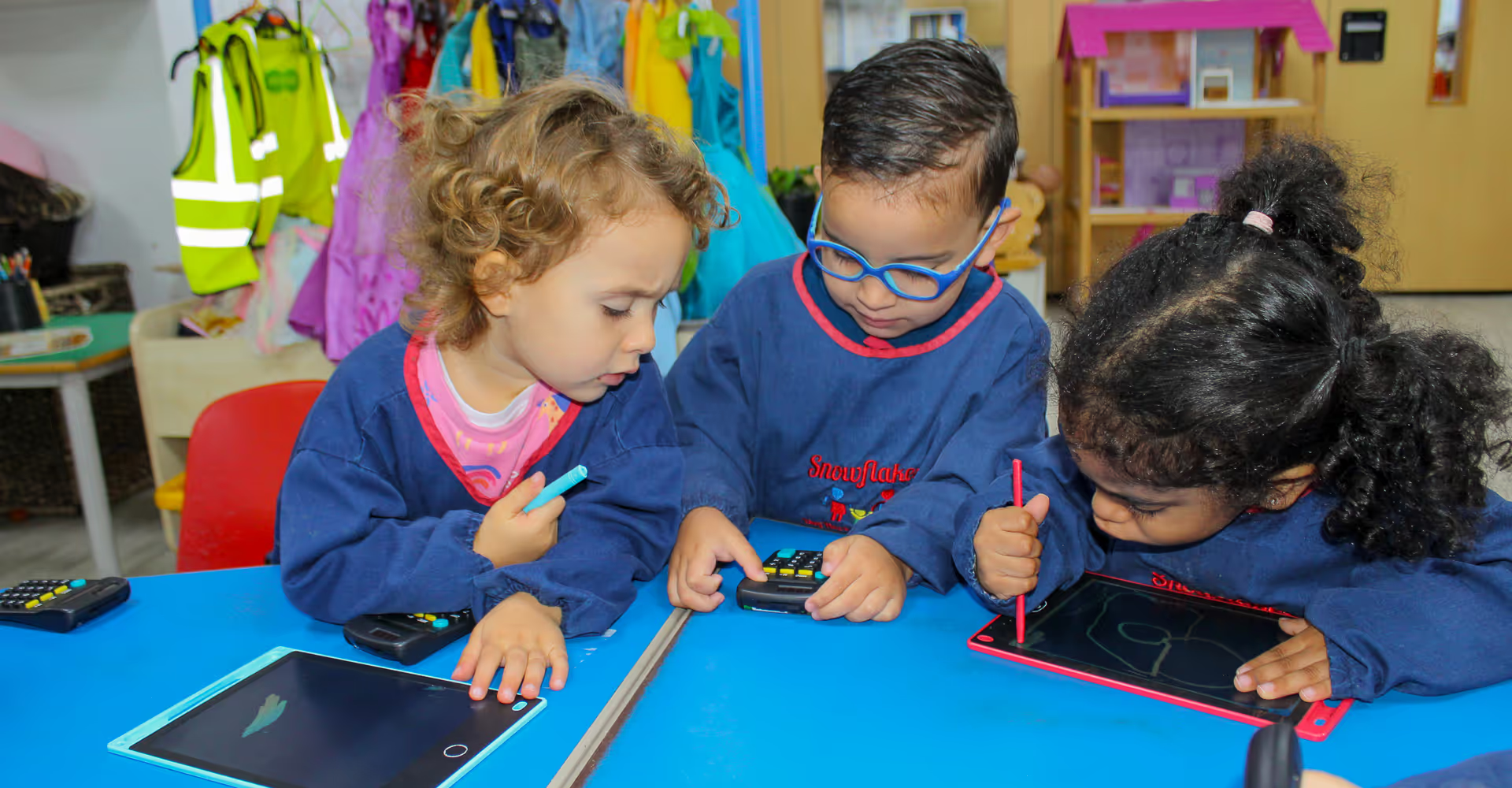
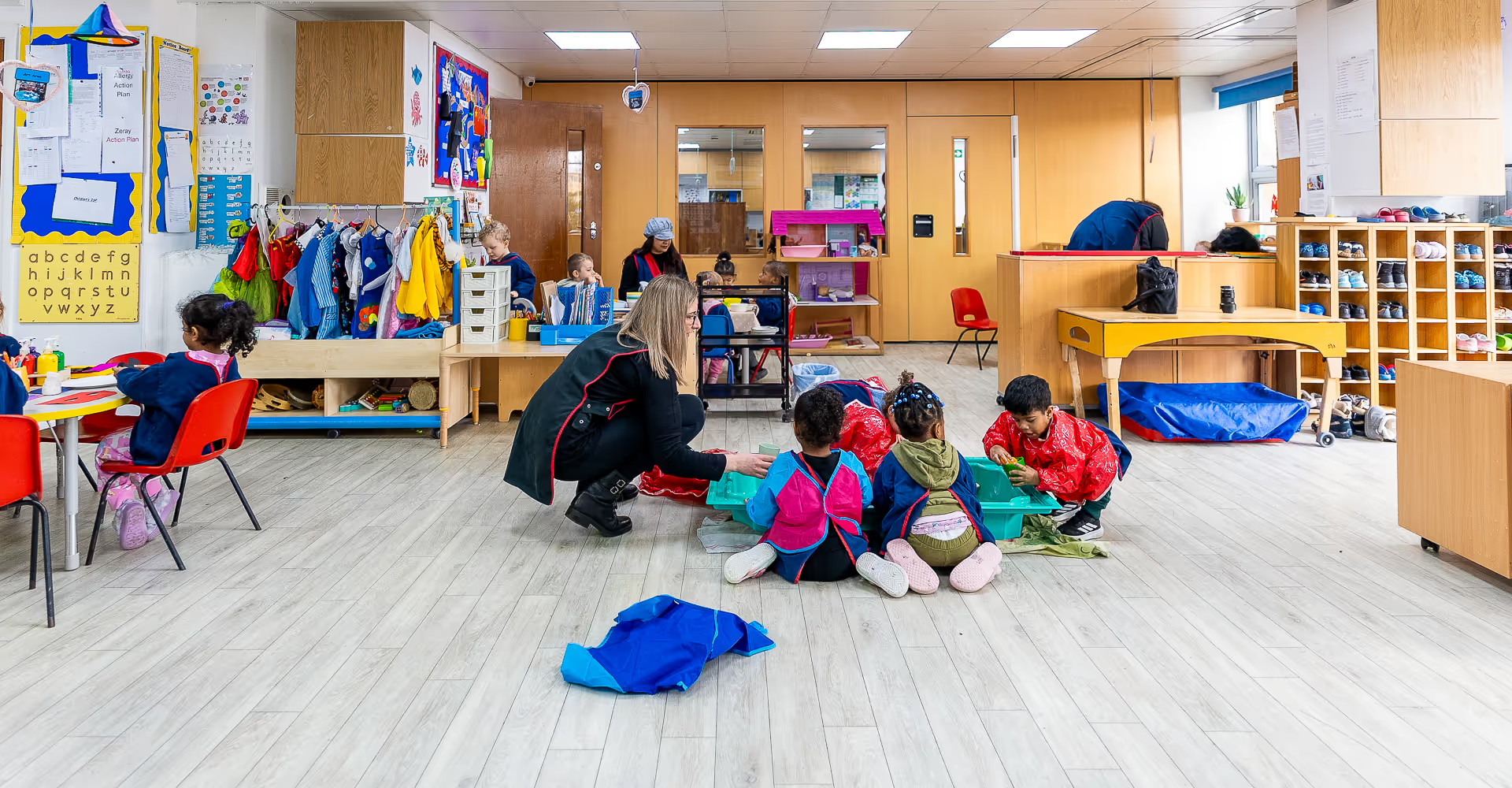
In our mixed-age community, children practice leadership, collaboration, and communication daily. A four-year-old mentoring younger peers arrives at Reception equipped to form friendships and work in groups.
Teachers emphasise that these skills, harder to instil than literacy, predict a positive first year. As a Reception teacher noted, “Snowflakes children integrate seamlessly—they’re empathetic and cooperative from day one.”
Emotional Resilience
We prioritise tools for managing change and self-regulation through our settling-in process and key worker relationships.
Children learn to navigate new situations, viewing setbacks as opportunities. This fosters the resilience needed for school, reducing anxiety for both child and family.
Practical Independence and Physical Health
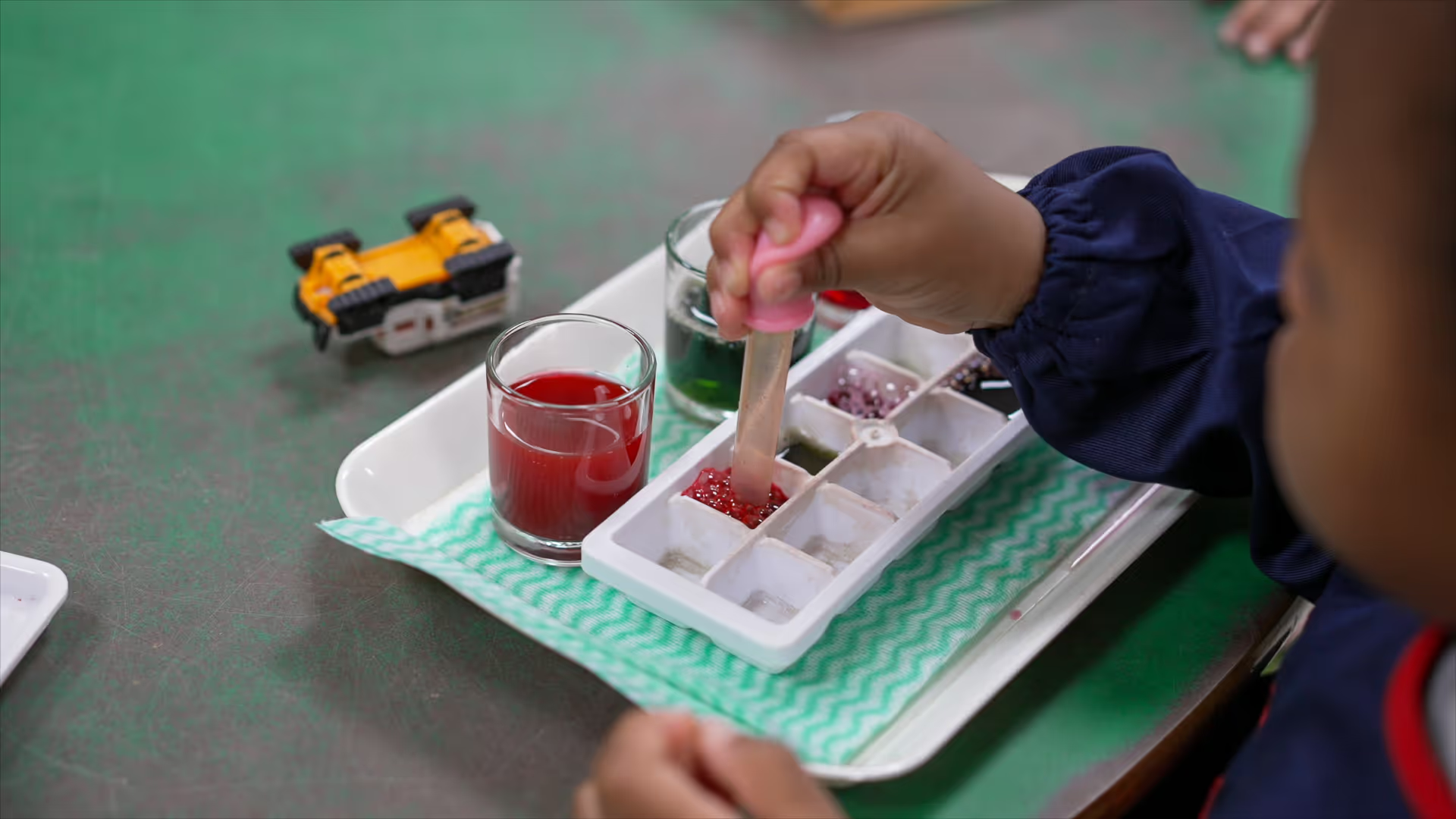
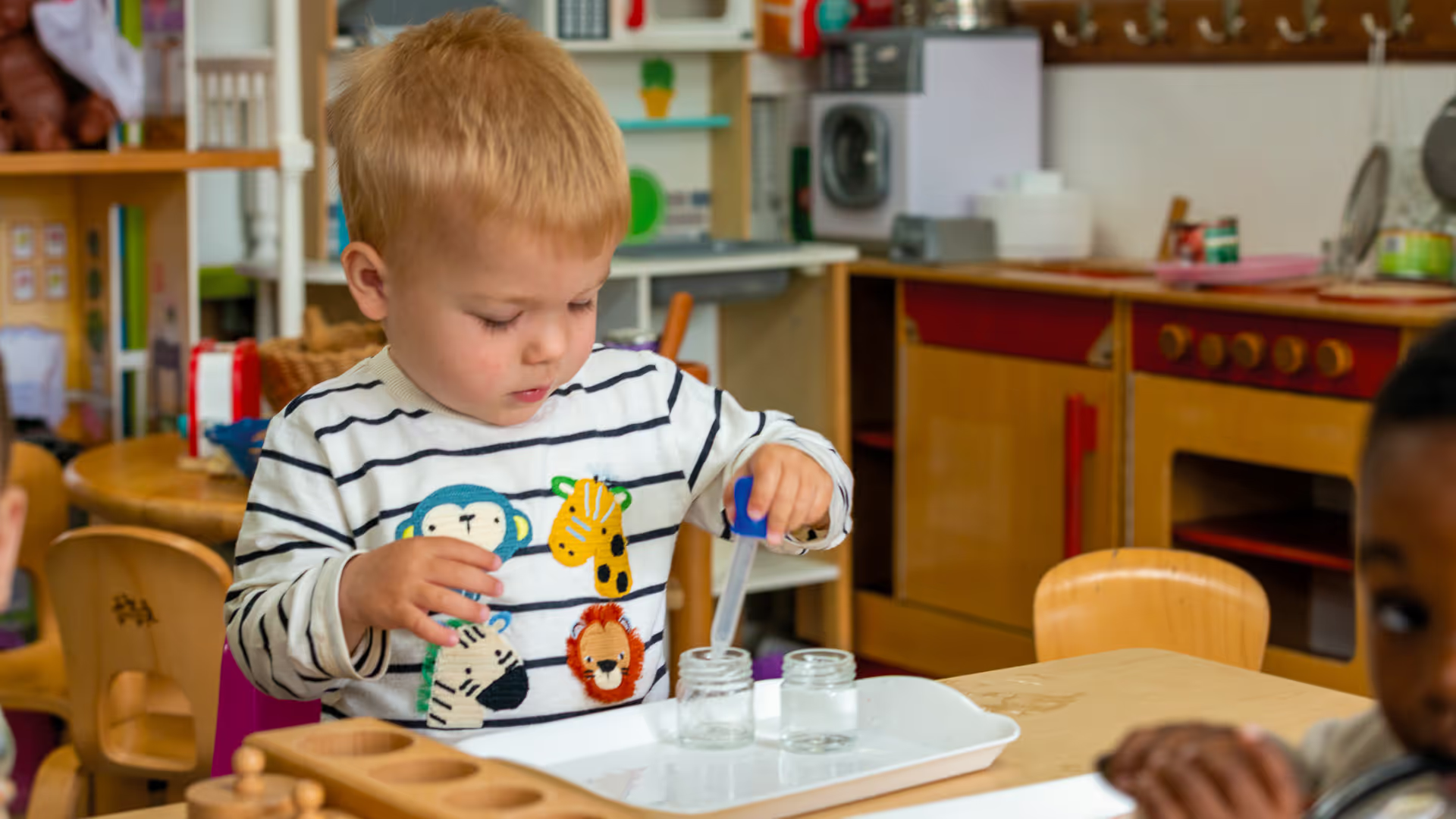
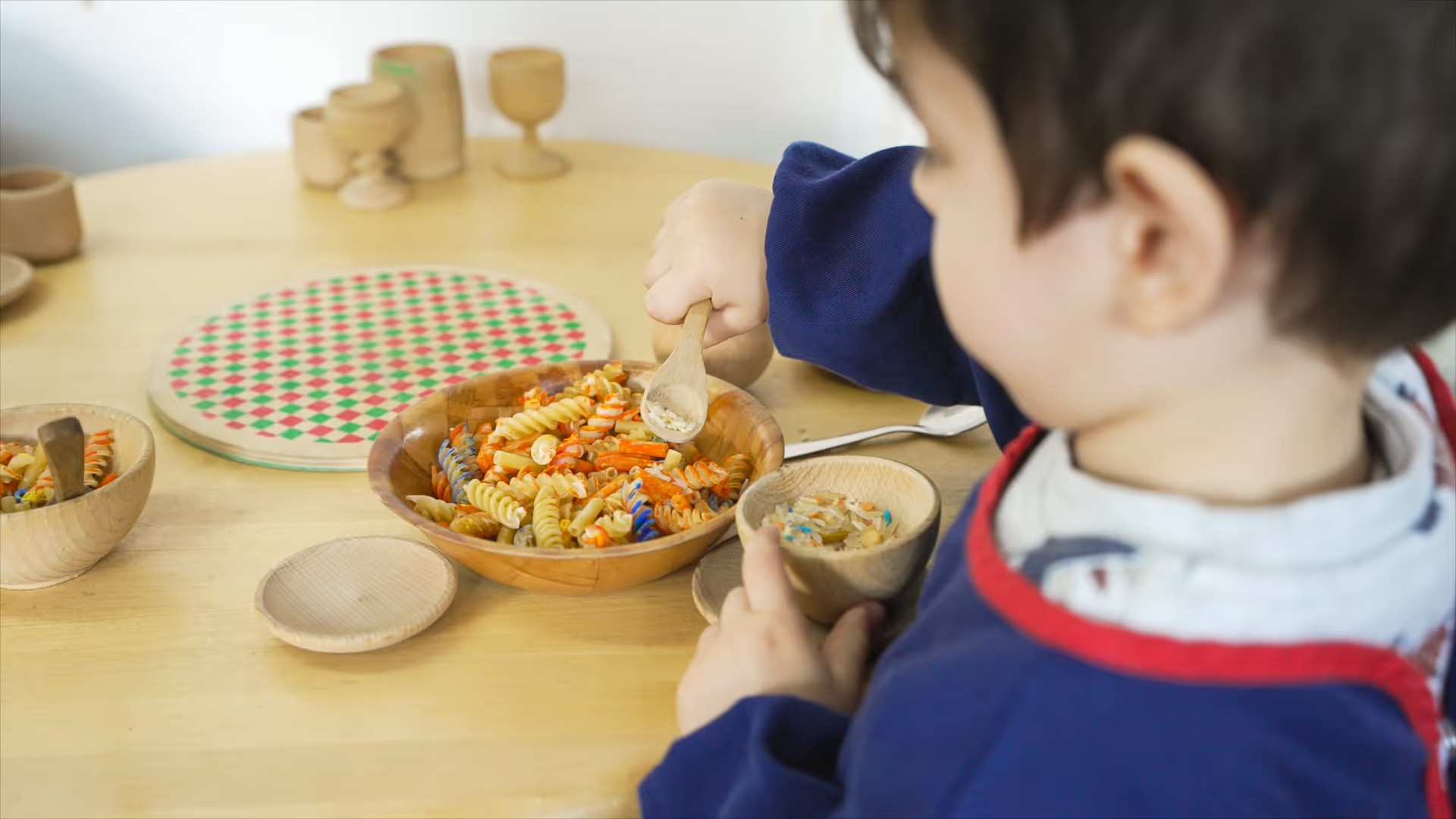
Montessori’s Practical Life curriculum shines here, teaching self-care like coat-buttoning, shoe-tying, and snack preparation with child-sized tools.
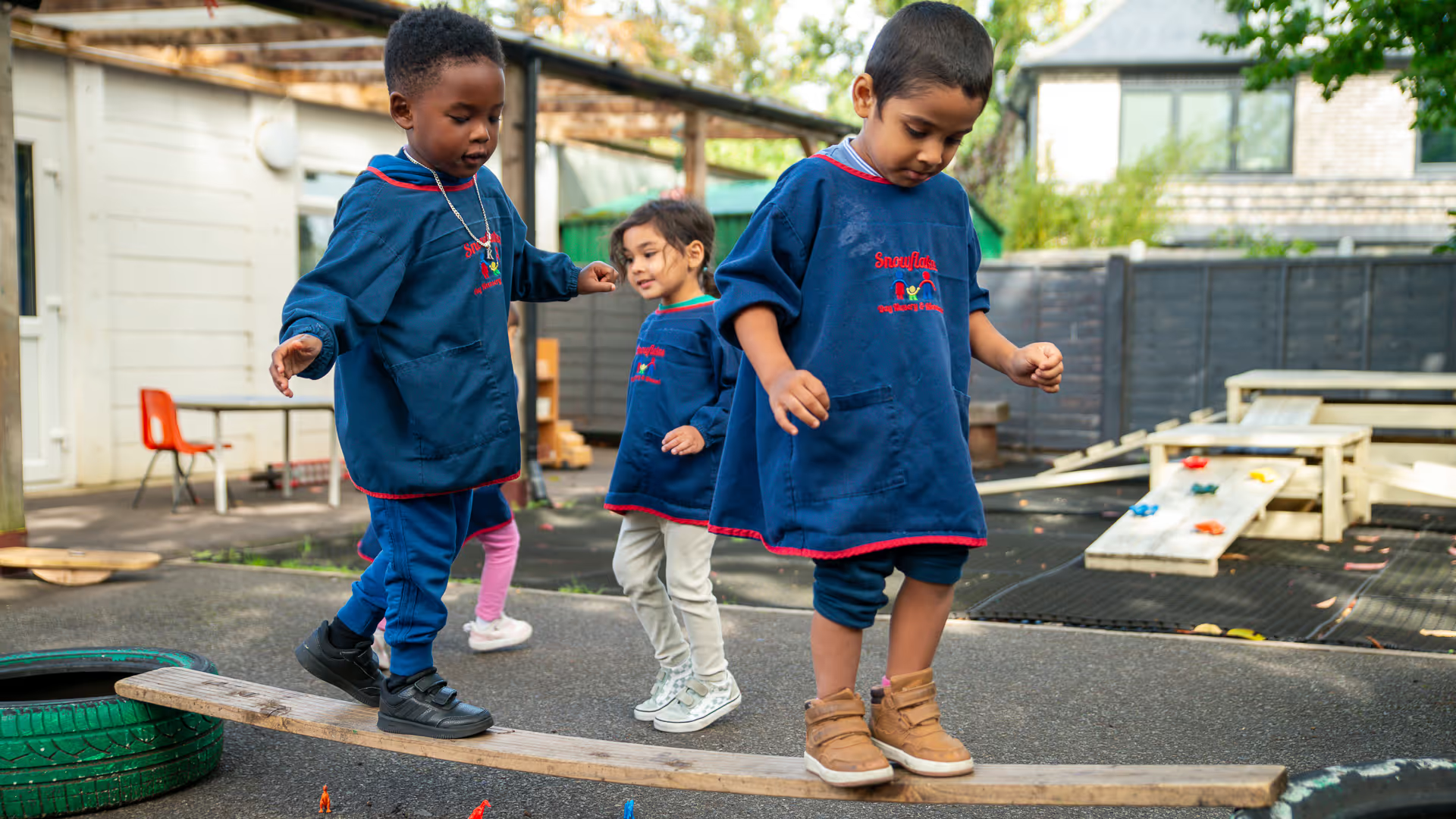
These daily practices promote functional independence, allowing children to focus on learning rather than basics. We extend this to physical development, incorporating activities for fine and gross motor skills, balance, and healthy habits like handwashing and nutrition.
EYFS guidelines ensure these elements support robust health readiness, helping children maintain energy and focus in school.
.svg)